Biohazard Cleanup
Cleanup removes infectious material, including blood and body fluids, and disinfects the property.
See biohazard cleanupDo not touch contaminated materials before getting guidance, and prevent people from entering the affected area. During biohazard decontamination, unsafe items are removed and salvageable surfaces are cleaned with the proper disinfectant. Waste, odors and air quality are also addressed so your next decision is based on clear information.
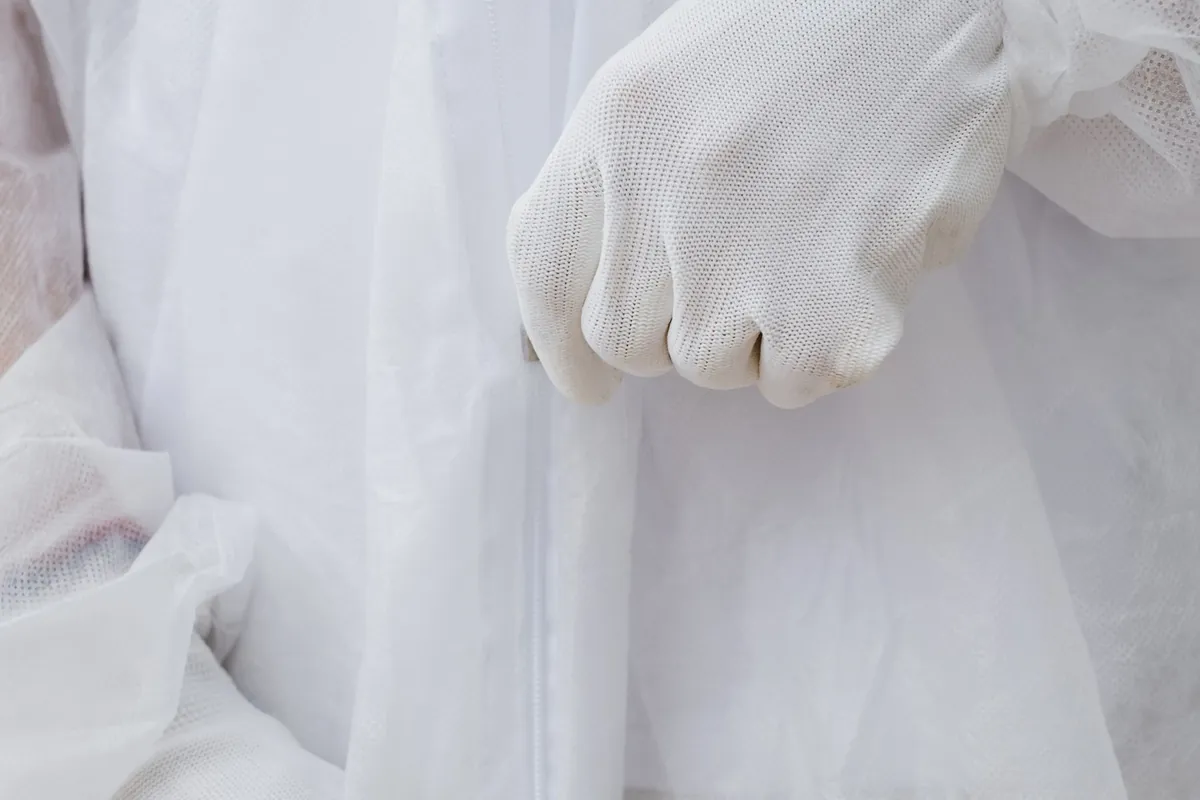
Biohazard remediation means safely controlling and removing biological contamination. The affected space is then cleaned and disinfected, waste is disposed of, and the area is checked with care before people return to normal use.
Events that may require the work include an unattended death, blood or other bodily fluid exposure, sewage backup, a trauma scene, serious hoarding conditions and infectious illness. Unlike ordinary cleaning of visible dirt, biological remediation tracks possible contamination into porous materials and narrow gaps, and into surrounding spaces through airflow, tools or footwear.
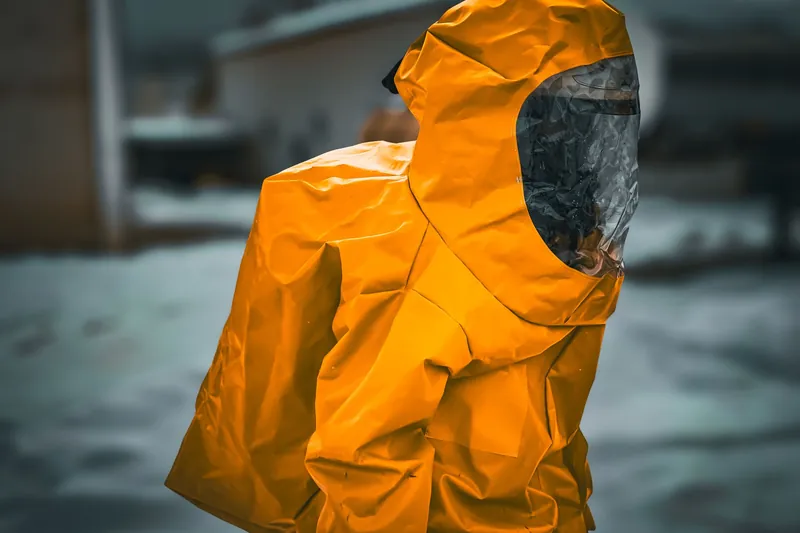
Separating clean rooms from the active work zone is part of a complete process. Trained technicians put on protective equipment and remove hazardous materials when disinfection is not possible. Visible soil is cleaned away before an EPA-registered disinfectant stays in place for the entire contact time stated on its label. You should receive an explanation of each step from the biohazard remediation company. The scope may extend to belongings, odor treatment, air filtration, hazardous waste packaging, and insurance company or property owner records.
Organized images, inventories, scope notes and waste documents can support the property file, your adjuster or landlord as you move forward with restoration services.
Workers can separate photos, records, keepsakes and other meaningful personal property so you can discuss each item before deciding on removal.
You can go over what will be cleaned, what may need removal, which areas are included and which conditions could change the scope before work begins.
When you compare biohazard remediation companies, ask whether cleanup crews arrive in unmarked vehicles, limit unnecessary attention and keep the work area contained.
An emergency response cleanup service may be needed when biological material creates a health concern that routine cleaning cannot fully address. No single cleaning service fits every situation. Common situations include:
When fluid reaches carpet pad, grout, unfinished wood, wall openings or furniture joints, blood cleanup may cover more than the visible stain.
Hoarding cleanup may involve biohazard work when a property contains human waste or animal waste, sewage, sharps, spoiled matter or bodily fluids.
Category 3 black water includes sewage. Extraction, porous material removal, surface cleaning, disinfection and drying may all be part of cleanup.
Because an unattended death may affect indoor air, belongings and finished surfaces, cleanup can require disinfection, material removal and odor control.
Stopping traffic into the affected area is the safest place to begin. You can lower the chance of exposure and keep useful cleanup details intact by taking these simple steps:
Call (888) 440-9227Published guides for biohazard cleanup place the national cost between $3,000 and $5,000 for a typical project, with the average residential range at $1,800 to $4,500. One separate company pricing guide shows a broader span, from $1,000 to $15,000. Use these figures only for planning, not as a quote. The contaminant, size of the space, affected surfaces, disposal needs and any post-cleaning testing all influence your price.
Published national cost guides are the source for these ranges, rather than an inspection of your property. An on-site assessment determines your property's price, which is explained to you before the cleanup starts.
Ask about cost: (888) 440-9227Biohazard cleanup may be covered by insurance when your policy covers the underlying cause. Record requirements, deductibles and coverage differ between policies and events.
Give the insurance company details about what occurred, the discovery time and the spaces involved. Ask your adjuster if cleaning, mitigation, restoration and removal fall under distinct claim sections.
Ask the adjuster which photographs, item lists, scope notes, invoices and waste records are needed. Put the claim number and contact details in one place.
Victims of violent crime can ask the Louisiana Crime Victims Reparations Board, supported by the Louisiana Commission on Law Enforcement, about crime scene cleanup. The program lists it among eligible expenses. Insurance is usually checked first.
Responsibility can depend on the lease, the location of the contamination and its cause. Before approving restoration that is not urgent, property owners should record the conditions and examine their policy.
The full process begins with an assessment, moves through source removal and thorough cleaning, and ends with inspection. The plan for biohazard cleanup changes with the contaminant, the type of surface and the property's condition. Before technicians go into the work zone, the appropriate team explains each stage.
After evaluating the source, affected areas, movement paths, absorbent materials and risks, technicians discuss the planned cleanup with you.
Access is limited after the affected zone is divided from clean spaces, and technicians use personal protective equipment based on known risks.
Any contaminated drywall, insulation, carpeting, cushion or contents beyond full cleaning are removed with care, then contained and labeled.
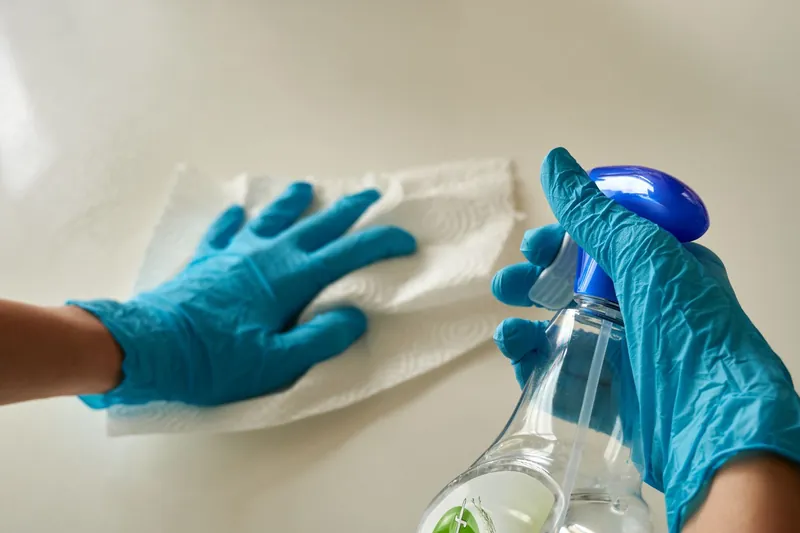
Visible soil is removed first because disinfectants need direct contact with the surface to work as their labels describe.
An appropriate EPA-registered disinfectant is applied to surfaces that can remain, with the area kept wet for the specified contact period.
The process begins with source removal. Crews may next use HEPA air filters and other odor controls to address particles in the air and smells left inside the work zone.
Applicable transportation and disposal rules guide packaged hazardous waste, while images and work-scope notes may support your property and claim files.
The cleaned area receives a final inspection, with optional verification methods discussed and removed wallboard, flooring or finishes listed for later repairs.
Call any hour. You speak with a biohazard decontamination specialist who outlines the process and schedules a start time with you.
Biological contamination presents serious health risks through contact with broken skin, eyes, the mouth or the nose. The visible contamination may not reveal everywhere the material has traveled.
Broken glass, needles and affected waste can puncture your skin. Waste must be separated, packaged and managed under the rules that apply to the material.
Porous materials such as drywall, raw wood, upholstery, carpet and pad can hold liquid under their surfaces. A surface wipe cannot remove contamination held below.
Some blood contains disease-causing bloodborne pathogens. Hepatitis B can live on surfaces for at least seven days, the CDC says, so you should still treat dried matter carefully.
Can you clean it yourself? A small amount on a hard, non-porous surface may be manageable only when you know the material, have suitable gloves and can follow the full label directions for an EPA-registered disinfectant. You should avoid touching the affected area and get professional cleanup guidance if a sharp is present, the source is unknown, porous material is involved or the limits are unclear.
Materials stay in place only when they are safely reachable and meet the necessary cleaning and disinfection conditions. If contamination has soaked into an item or access is unsafe, that material is removed.
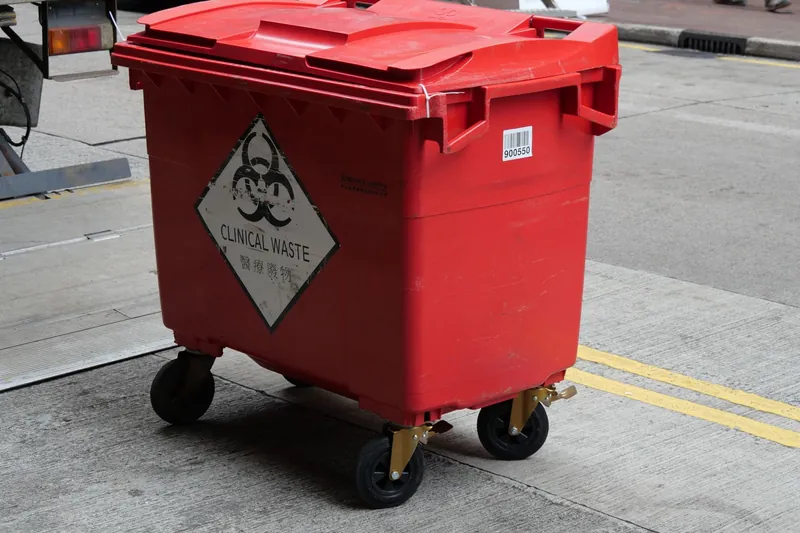
The OSHA Bloodborne Pathogens Standard, 29 CFR 1910.1030, sets requirements for worker protection, training and exposure controls when blood may be present.
Both the material and organism must be appropriate for the EPA-registered disinfectant selected. The surface must stay wet for the labeled contact period because removing the product early may stop disinfection.
Louisiana treats soaked materials from a biohazard scene as potentially infectious biomedical waste. Louisiana Department of Health sanitary code rules control how it is packaged, stored and transported, so it cannot go in household trash.
Louisiana has no statewide medical examiner. Each parish has an elected coroner who investigates deaths involving violence, accidents or suspicious circumstances. Cleanup starts after police or the coroner release the scene.
The event name by itself is not enough to set biohazard cleanup time. An assessment must account for the area affected, materials involved, waste volume, accessibility, drying needs and verification tasks before the schedule can be determined.
The full biohazard decontamination guide covers what is cleaned or removed, odor and air quality work, and the rules that apply in your state.
Read the full biohazard decontamination guideLocal population patterns, housing and site access may affect how containment and cleanup are planned.
The relatively small 8.1% rental share does not change safety needs, but it can make property decisions more direct.
The median home in Montz was built in 2003, but drywall, engineered flooring, and insulation can still absorb contamination.
When 33.9% of seniors live alone, clear item documentation can help an absent relative make careful decisions about belongings.
The 80.1% single-family share means odor may move through connected rooms and ventilation even without shared walls between households.
Ask on the call about cleanup options for neighboring communities and ZIP codes.
Cleanup removes infectious material, including blood and body fluids, and disinfects the property.
See biohazard cleanup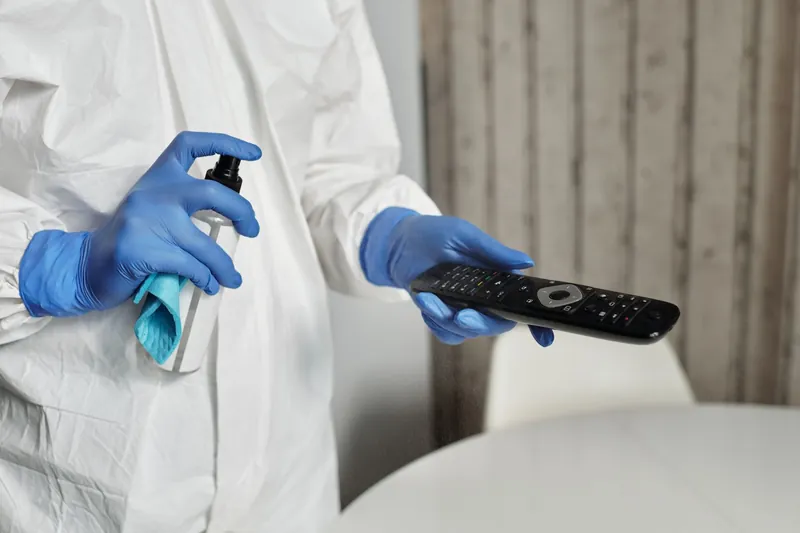
A contaminated space is restored to safe use through biological remediation and contaminant removal.
See biohazard remediation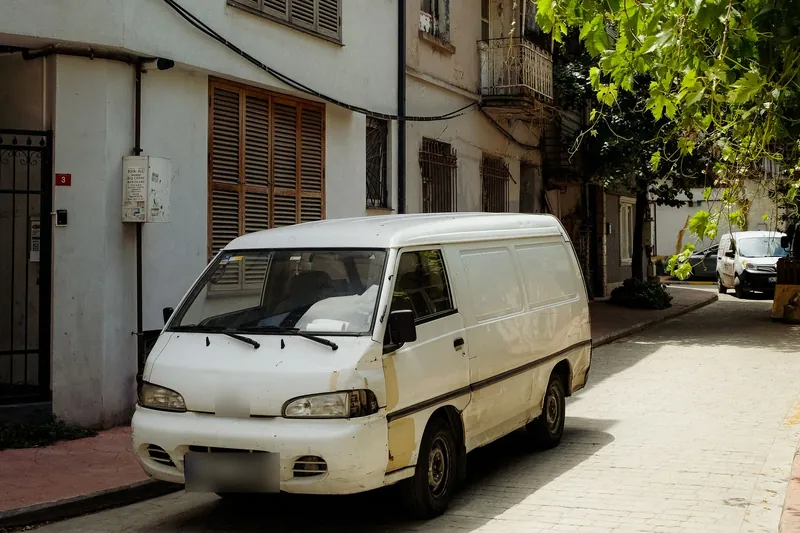
Day or night, biohazard cleanup begins once the scene has been released.
See emergency 24/7 biohazard cleanup
Cleanup controls the risk of blood exposure involving HIV, hepatitis C and hepatitis B.
See bloodborne pathogen cleanup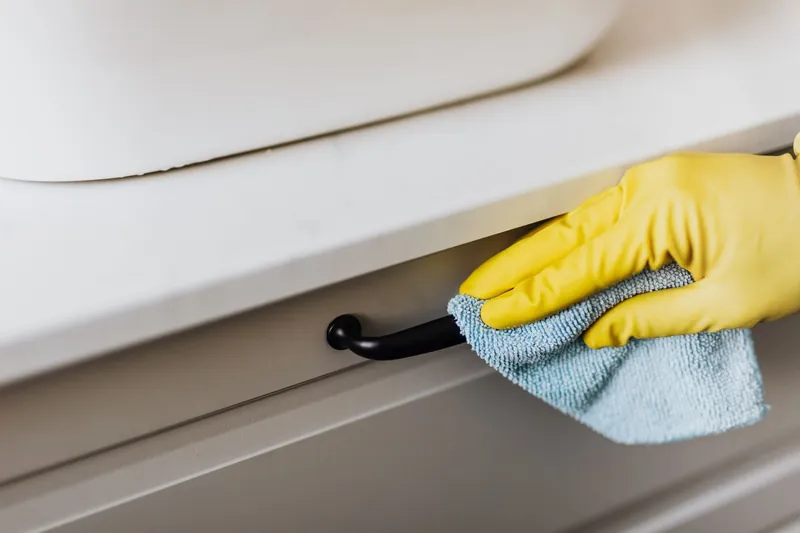
Across care settings, commercial spaces and homes, bodily fluid cleanup includes disinfection.
See bodily fluid cleanup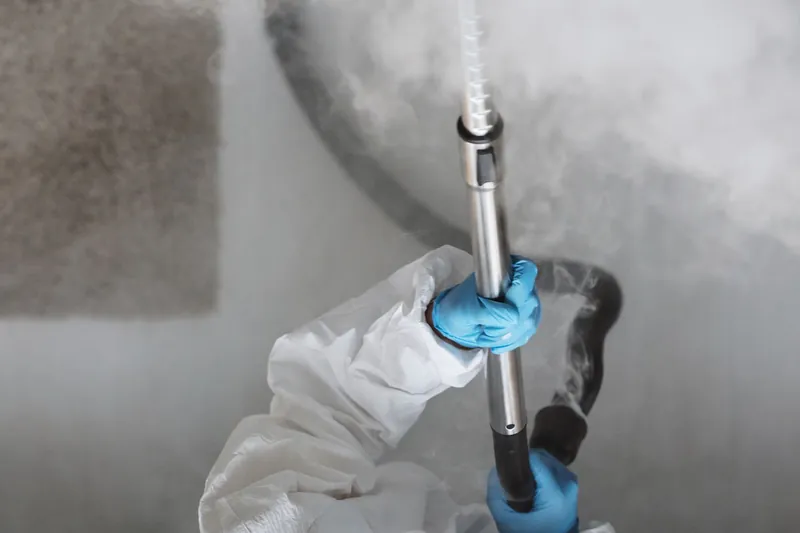
Infectious disease disinfection with EPA-registered products and full surface coverage.
See infectious disease disinfection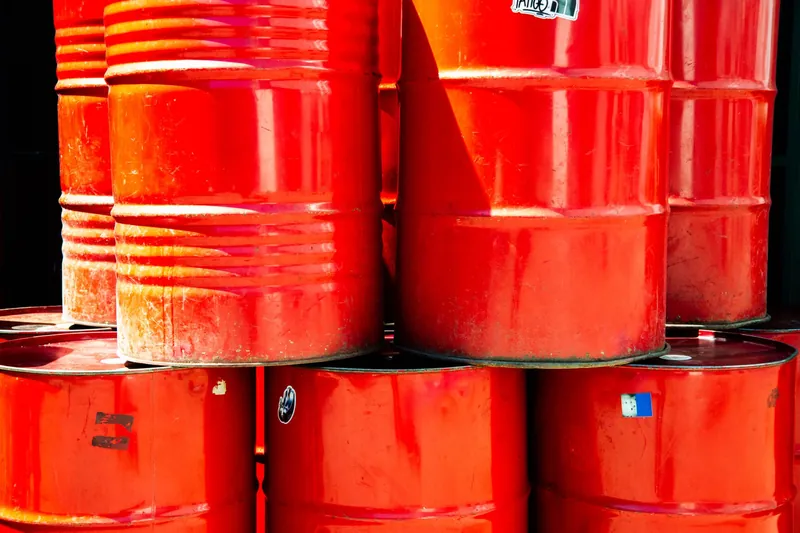
Sealed containers with labels hold biohazard waste during collection and disposal.
See biohazard waste disposal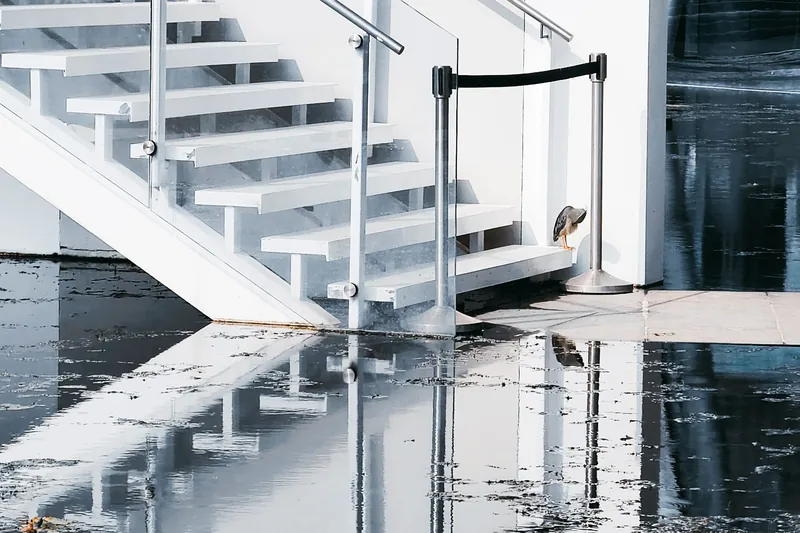
Raw sewage cleanup treats Category 3 black water and includes both drying and disinfection.
See raw sewage cleanupControlled cleaning of sewage, blood, bodily fluids, infectious matter and other biological contaminants is known as biohazard remediation. The process covers assessment of the affected area, containment, removal of materials beyond disinfection, visible soil cleaning, use of an appropriate EPA-registered disinfectant, waste packaging and a final check before normal use resumes.
A biological hazard is material that may expose people to harmful organisms or their byproducts. Within a building, examples may include sewage, blood, some bodily fluids, human or animal waste and materials affected in certain infectious disease incidents. The source, exposure pathway and affected surfaces determine the level of risk.
Begin by staying away from direct contact and keeping others outside the affected area. Never vacuum, sweep or shift items with contamination. A plan may pair protective equipment and containment with cleaning, removal of the source, disinfection guided by the label and proper waste disposal. The controls should match the material and the way it may have spread.
A schedule can be determined once the affected areas and materials have been evaluated. Cleanup is quicker for an isolated incident on washable surfaces than for contamination spanning multiple rooms or reaching beneath floors and within walls. Release for regular use also depends on waste quantity, access, drying time, odor control and any chosen verification steps.
During cleanup, contamination is removed and salvageable materials are disinfected. Once cleanup ends, restoration can address removed finishes by replacing items such as drywall, paint, flooring and insulation. Find out if cleanup and rebuilding share one scope or if another restoration contractor will repair the cleaned space once remediation ends.
Location and the size of the affected area determine whether you can stay. You must avoid going into the contained cleanup space. For a small isolated room, other parts of the property may remain separate, but shared air systems, sewage, odor or contamination across travel paths can change that decision. Observe all safety directions given for your particular property.
Discreet, respectful biohazard decontamination, 24 hours a day, with crews in unmarked vehicles.